
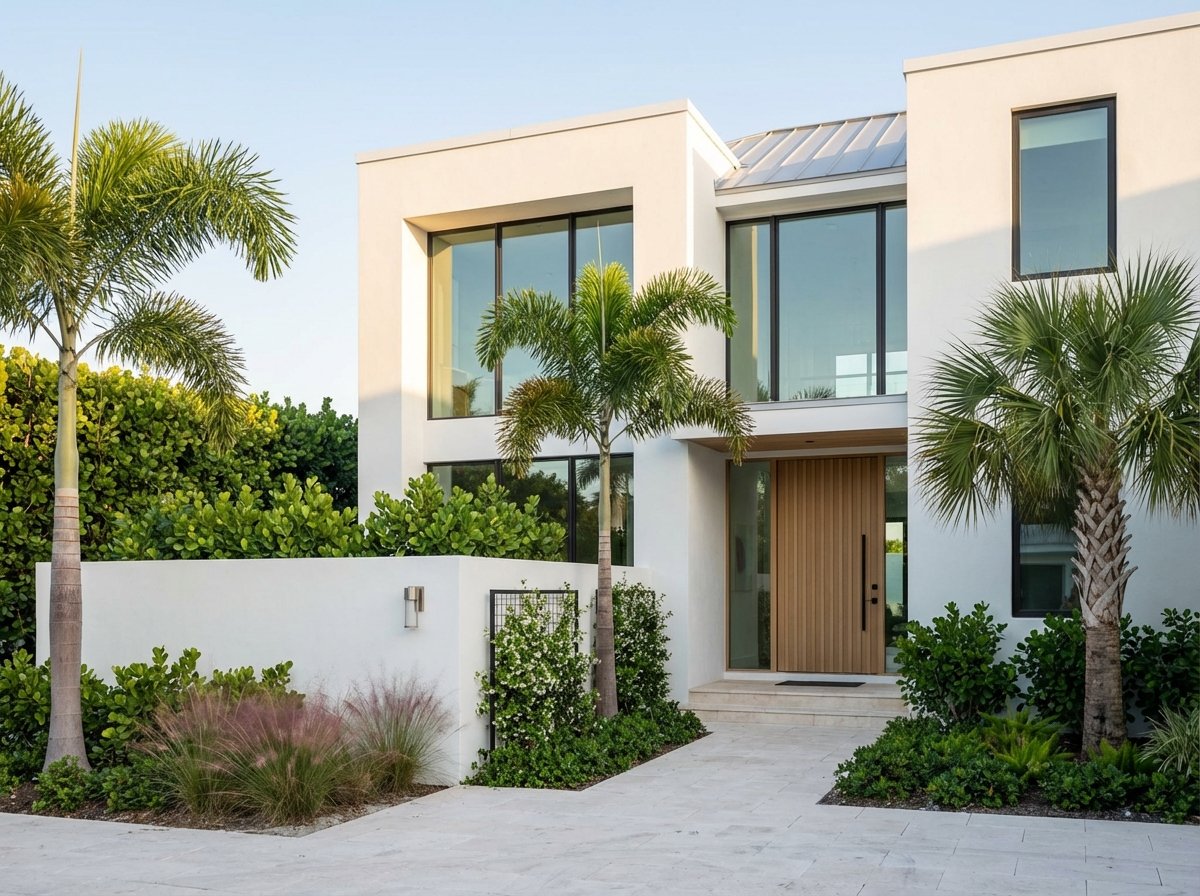
If you are considering a brand-new home in Palm Beach Gardens, you are not alone. Large master plans and luxury enclaves are reshaping the city, and each community handles costs, amenities, and timelines a little differently. You want clarity on builders, HOA and CDD fees, club memberships, and how long it really takes to move in. This guide breaks down what matters most so you can buy with confidence. Let’s dive in.
What makes PBG new construction unique
Palm Beach Gardens is driven by large master-planned communities and high-end golf neighborhoods. Avenir in western PBG is the standout, with multiple builders, several villages, and a planned Town Center that the developer reports is slated to open in summer 2026. You can explore that update on the Avenir site for timing and community context at the Avenir Town Center announcement.
Nearby, Panther National caters to an ultra-luxury golf and lifestyle buyer. According to the project’s membership page, access to the club is handled through a separate private membership with its own initiation and dues. If a golf lifestyle is part of your plan, review Panther National membership details early so you know what is and is not included with a home.
County permitting trends also shape timing. Palm Beach County publishes quarterly planning and permit activity that signal review volumes and inspection capacity. You can see local permit trends in the county’s permit activity reports.
Builder options and typical timelines
Production and quick move-in
Production builders offer standardized floor plans and the fastest delivery. If a home is already substantially complete, you can often close in 30 to 90 days. Build-to-order single-family plans from national builders often run around 6 to 12 months from groundbreaking, a range consistent with timelines outlined in the Toll Brothers homebuyer FAQ.
Semi-custom and custom
Semi-custom neighborhoods inside large master plans add more structural choices and design-center time, so schedules can be longer than pure production. Custom estates, especially on larger lots, often run 12 to 24 months or more depending on scope and finish level. If you are choosing many structural changes, expect more design decisions and a longer path to completion.
How contracts and milestones work
Most new-home purchases follow a similar flow. First, you reserve a lot or specific home with a deposit, which varies by builder and product. Next, you sign a builder purchase contract that lays out timelines, change-order rules, and upgrade processes. Independent legal review is a smart step before you become fully committed.
If you buy pre-construction, you will visit the design center to pick finishes and options. Changes after key milestones usually cost more and can affect delivery. During construction, there is typically a pre-drywall inspection window and then municipal inspections leading to a Certificate of Occupancy.
Some closings occur with a Temporary Certificate of Occupancy while minor items are finished. Rules and durations vary by jurisdiction, and lenders may have their own requirements. Learn what a TCO means for occupancy in Florida at this overview of a Temporary Certificate of Occupancy.
HOA, CDD, and club costs
HOA basics
Homeowners associations govern community rules, maintain common areas, and set annual budgets. In Florida, HOA operations and disclosures are addressed by state law. Before you commit, request the CC&Rs, bylaws, current budget, reserve studies, meeting minutes, and an estoppel that shows any amounts owed. You can review the statutory framework in Florida Chapter 720.
CDD financing and assessments
A Community Development District is a public, special-purpose district used to finance and maintain infrastructure such as roads, stormwater systems, and large amenities. CDDs levy assessments that appear on your county tax bill as non-ad valorem charges and are separate from HOA dues. Learn the statutory structure in Florida Chapter 190.
Avenir is a practical example. The development secured bond financing to build infrastructure, which supports long-term improvements and creates ongoing assessments. For context, see the coverage of Avenir’s bond sale in The Real Deal’s report. When you underwrite carrying costs, remember that lenders typically count recurring CDD assessments as part of your obligations. You can see how these appear on tax bills at this overview of non-ad valorem taxes.
Private club memberships
Private golf and country clubs are usually separate from the HOA and CDD. Membership, initiation fees, and annual dues follow a separate contract and approval process, and access to certain amenities may be limited to members. Panther National, for example, treats club access as a private membership, as reflected on its membership page. Always ask whether membership is optional or required for your lot type.
Key takeaway: HOA dues, CDD assessments, and private club fees are additive. Each has different disclosure documents, payment schedules, and underwriting impacts.
Warranties, code, and inspections
Florida now sets a statutory floor for new-home warranties. As of July 1, 2025, newly constructed homes must carry at least a 1-year transferable warranty for construction defects that result in a material Florida Building Code violation. If the builder’s express warranty meets or exceeds the statutory requirements, those written terms control. You can review the statute in Florida Chapter 553.
Most builders also provide tiered warranties by market practice, often a year on workmanship, two years on major systems, and a longer structural framework. Request the full written warranty terms and any third-party administrator details early, and make sure you understand claim timing and how to submit requests.
South Florida code requirements influence materials and insurance. New homes here are designed for region-specific wind loads and impact protection standards, which may mean impact-rated glazing or approved shutters. These choices can help with insurability and may influence premiums. Plan for independent pre-drywall and final inspections by a third-party professional, and document a punch list before closing.
Your due-diligence checklist
Use this list to organize documents and on-site checks before you go firm on a builder contract.
Documents to request
- Builder contract with all addenda and an itemized list of included features versus upgrades.
- Builder’s written warranty, third-party warranty terms, and warranty registration steps.
- HOA CC&Rs, budget, reserve study, recent minutes, rules, and estoppel certificate.
- CDD budget, adopted assessment roll, bond amortization schedule, and a sample tax bill showing the CDD line.
- Private club membership documents if applicable, including initiation fees, dues, payment schedule, and any mandatory membership rules for your lot type.
- Recent permits, expected inspection milestones, and the builder’s target path to TCO or CO. Review county permit activity reports for broader timing signals.
- Elevation certificate or flood-zone designation if the lot is near water or in a mapped flood area.
On-site and technical checks
- Independent pre-drywall and final inspections by a new-construction specialist. Keep a dated punch list and track responses.
- Clarify what is covered under warranty versus owner maintenance. Note claim procedures and response timelines.
- Confirm with your lender how HOA dues and CDD assessments factor into underwriting and whether taxes will be escrowed.
New build vs. resale: how to choose
New construction offers modern code compliance, energy efficiency, personalization, and a new-home warranty. Tradeoffs include potential wait times, maturing landscaping, and layered carrying costs from HOA, CDD, and any club memberships. Resale gives you an established neighborhood and faster occupancy, though systems may be older and maintenance needs less predictable.
Start with priorities. If timing and a finished neighborhood are top of mind, resale can be a fit. If you want the latest design, a tailored floor plan, and resort-style amenities, new construction may be worth the wait. A clear budget that accounts for HOA, CDD, and any club dues will make the decision easier.
Ready to explore your options in Palm Beach Gardens? For hands-on guidance with builder comparisons, timelines, and carrying-cost clarity, connect with IJL Real Estate Group. Our boutique, concierge approach is designed to help you buy with confidence.
FAQs
What is a CDD fee in Palm Beach Gardens new communities?
- A Community Development District is a public district that funds and maintains infrastructure, and its annual assessment appears as a non-ad valorem line on your tax bill, separate from HOA dues.
How long does a new build usually take in Palm Beach Gardens?
- Quick-move-in homes can close in 30 to 90 days if substantially complete, while many build-to-order homes take about 6 to 12 months and custom estates often need 12 to 24 months or more.
Are club amenities included with HOA dues in luxury golf enclaves?
- Usually not; private club access often requires a separate membership with its own initiation fees and annual dues, and some lot types may have membership requirements.
Can I close on a new home with a Temporary Certificate of Occupancy?
- Sometimes; a TCO allows occupancy while minor items are finished, but acceptance depends on local rules and your lender’s policies, so confirm terms before you sign.
What should I review before signing a builder contract?
- Ask for the full contract, warranty terms, HOA and CDD documents, any club membership agreement, recent permits, and an itemized features list so you know what is included versus an upgrade.