
Is downtown West Palm Beach calling your name, but you are not sure whether a condo or a townhome fits your life better? You are not alone. Both options offer walkable access to dining, culture, and the waterfront, yet they feel very different day to day. This guide breaks down lifestyle tradeoffs, typical costs, and key checks so you can choose with confidence. Let’s dive in.
Downtown snapshot: homes and prices
Downtown West Palm Beach centers around Clematis Street, the waterfront along Flagler, and the CityPlace district. You will find a high concentration of mid to high-rise condo towers with amenity stacks and views, plus a mix of low-rise townhomes and townhouse-style condos on adjacent blocks.
Recent neighborhood data shows a median sale price around $668,500 as of January 2026. Individual buildings vary widely. Condos in the core often range from the low $300Ks for smaller or older units to well over $1M for newer, renovated, or water-facing residences. Nearby townhomes can span from the mid $400Ks to $2M+ based on size, finishes, and location. Pricing and HOA dues vary by building and change quickly. Always verify current figures in the MLS and association documents.
If you are deciding between a lock-and-go tower lifestyle and a more house-like feel with a private garage, it helps to look at how each option lives day to day.
Condo living: what to expect
Building form and views
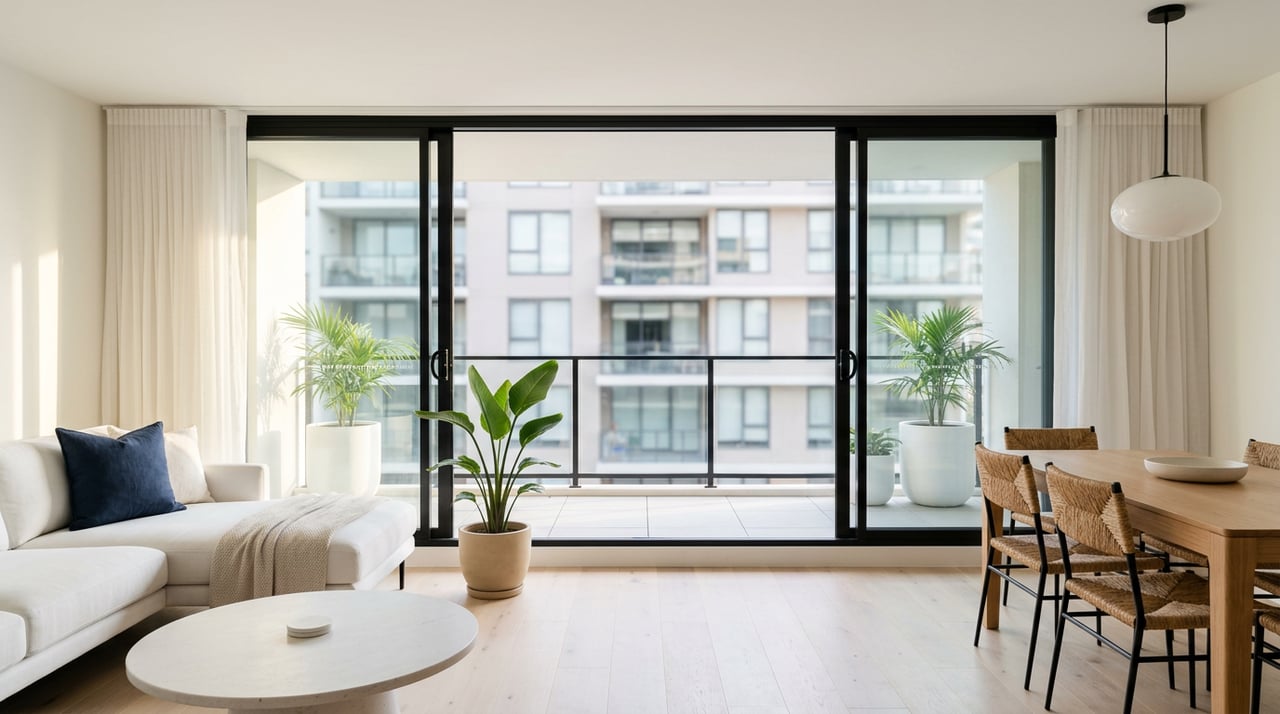
Most downtown condos are mid to high-rise buildings, often with balconies and sightlines over the Intracoastal or city skyline. If waking up to panoramic views ranks high for you, a condo in the core may deliver that more readily than a townhome.
Amenities and services
Many towers bundle amenities that simplify your routine. Expect features like a pool, fitness center, front desk or concierge, secured garage parking, elevators, and social spaces. This amenity stack is a prime reason condo life can feel easy. It is also a driver of monthly dues, especially in buildings with on-site staff and robust common areas. Local guides highlight these amenities as core selling points for downtown condos.
Parking and guest access
Most towers include assigned garage parking. Some offer valet or attendant services, while older buildings may have tighter parking allocations. Guest parking can be limited during busy events. When friends visit, residents often rely on the city’s public garages, including Banyan, Evernia, City Center, Clematis, and Sapodilla. You can share the city’s parking and event guidance so visitors know where to go. Learn more about city garage options and event parking.
Privacy and noise
Condos mean shared walls, corridors, and elevators. You will likely have more casual neighbor contact compared to a townhome. High floors can soften street noise. Still, stacked living can come with occasional sound transfer and elevator traffic. General buyer guides outline these patterns in attached housing.
Maintenance and responsibilities
Condo ownership is typically “walls-in.” The association maintains building exteriors, common systems, and shared amenities. Your responsibility focuses on interior finishes and personal property. If you want a very hands-off lifestyle, this model can be a fit. The flip side is you will rely on the HOA budget, reserves, and maintenance plans to protect your investment.
Townhome living: what to expect
Space, entry, and parking
Townhomes in or near downtown are usually low-rise and multi-level with private entries. Many include an attached 1 or 2-car garage, which is a win if you own multiple vehicles or prefer direct street access. Outdoor space often means a small patio, courtyard, or rooftop terrace, rather than a high-rise balcony.
Amenities and dues
Townhome communities may have a small pool or clubhouse, but they rarely mirror the staff-heavy amenity stacks of towers. That is why monthly dues often trend lower than in high-rises. The tradeoff is you may have more maintenance responsibility, especially in fee-simple setups where the owner covers the roof and exterior.
Privacy and daily rhythm
With fewer vertical neighbors and private entrances, townhomes can feel more house-like. You still share walls, but the experience is typically quieter at the unit entry and in daily comings and goings. Buyer guides on townhomes explain how attached living differs from towers and single-family homes. For a primer on ownership and upkeep differences, see this townhome buyer guide.
Walkability, transit, and lifestyle
Downtown West Palm Beach is built for a car-light lifestyle on core blocks. Clematis Street, the waterfront parks, and CityPlace put dining, shopping, and arts close at hand. If walkability matters, the neighborhood stands out within the metro. You can explore the area’s strong scores on Walk Score’s downtown map.
Regional rail is another plus. Brightline’s West Palm Beach station sits by CityPlace, making quick trips to Miami or Orlando simple. Read about Brightline access in The Palm Beaches. Tri-Rail also serves the city, and local options include Palm Tran and short-hop shuttles.
CityPlace anchors a lot of the day-to-night rhythm in the district, with restaurants, retail, and frequent events. For a feel of the scene, browse this overview of CityPlace.
Cost of ownership: HOA and insurance
Typical dues and what drives them
In downtown towers, HOA dues commonly run roughly $500 to $1,200 or more per month, scaled by unit size, building age, amenity stack, and whether the association covers internet, cable, or on-site staffing. Townhome communities nearby often range in the low $200s to $400s per month, though amenity-rich or gated setups can be higher. Local guides and listings in the area reflect these ranges and drivers.
Why condo dues can run higher in South Florida: building insurance for wind and hurricanes, elevator and mechanical upkeep, front desk or security staffing, pool and garage maintenance, and reserves for large structural items. Older buildings with deferred maintenance or reserve gaps may also levy special assessments. A local neighborhood guide summarizes these realities well for buyers comparing options in West Palm Beach. For context on how amenities and services influence dues, see this West Palm Beach neighborhood guide.
Prices and fees change frequently. Always confirm current HOA amounts, what is included, and whether any special assessments are pending.
Insurance basics you should know
- Condo policies are usually HO-6. Your individual HO-6 typically covers interior finishes, improvements, personal property, liability, and may include loss assessment coverage. The association carries a master policy for the building shell and common areas. Learn more in this condo insurance guide.
- Townhome policies are often HO-3. Many townhome owners use a homeowners-style policy because they own more of the structure. Confirm whether your townhome is fee-simple or a condominium form. Your association documents will spell out who covers what.
- Flood coverage matters downtown. Associations for condos can purchase a FEMA Residential Condominium Building Association Policy (RCBAP) to insure the building and common elements. Individual owners usually still need flood coverage for interior elements and contents that the master policy does not cover. The OCC’s consumer resource explains how RCBAP coverage works.
Taxes and recurring costs
Palm Beach County effective property tax rates often land around the 1.2 to 1.6 percent range, depending on exemptions and the exact parcel. Model your first year carefully and remember that the tax bill often resets after you purchase.
Risks and key due diligence
A little extra diligence up front can save you from surprises later. Focus on these high-impact checks.
Association documents and reserves
Ask for the current budget, most recent reserve study, master insurance declarations page, board meeting minutes for the last 12 months, the declaration and rules, and any notices of special assessments. The reserve study and board minutes are often the best early warning for upcoming projects or fee changes.
Flood and resiliency
Run the address in FEMA’s Map Service Center to confirm the flood zone and whether a lender will require flood insurance. Downtown buildings near the Intracoastal can sit in Special Flood Hazard Areas that face high-tide and storm-surge risks. Start with the FEMA flood map portal. If you are considering a condo, ask whether the association carries an RCBAP and what it covers.
Short-term rental rules
Do not assume you can use short-term rental income to offset carrying costs. Palm Beach County requires a Business Tax Receipt and tourist development tax accounts for short stays, and many associations further restrict or prohibit short-term leasing. Review your building’s leasing policy first, then confirm county requirements. You can read the county’s overview via Airbnb’s help center on Palm Beach County short-term rental requirements.
Mechanical, roof, and structural history
For high-rise condos, ask for recent elevator modernization records, roof or engineering reports, and a list of capital projects and assessments. Large deductibles on the master wind policy can also affect owner exposure in major events. Tie these threads back to the reserve study and minutes to assess timing and likely costs.
Which fits your lifestyle?
Choose a condo if you want:
- High-rise views and balconies near the waterfront or CityPlace.
- On-site amenities like a pool, gym, and concierge.
- A low-maintenance, walls-in ownership model.
- Easy access to public garages for guests during events.
Choose a townhome if you want:
- A private entry and attached garage for one or more cars.
- Small outdoor spaces like a patio, courtyard, or rooftop terrace.
- Fewer shared spaces and a more house-like feel.
- Potentially lower monthly dues, with more say in your exterior upkeep.
Both options put you close to downtown dining, the Kravis Center, the waterfront, and weekend markets. Your best fit comes down to how you want to live from morning to night, and how you want to balance dues, control, privacy, and convenience.
5-minute buyer checklist
- Ask to see the HOA budget and most recent reserve study.
- Confirm current HOA dues and any pending or recent special assessments.
- Verify assigned parking counts, guest parking rules, and event-day options. Share the city’s parking guidance with visitors.
- Check the association’s rental policy and minimum lease terms. Review county short-term rental requirements if rental income matters.
- Verify the master insurance type and deductibles. If it is a condo, ask about RCBAP coverage. Review this RCBAP overview.
- Run the address in FEMA’s flood map portal and budget for flood insurance if required.
- For condos, request elevator, roof, and structural project histories.
- For townhomes, confirm who maintains the roof, exterior, and any small yard.
How we help you decide
Choosing between a condo and a townhome in downtown West Palm Beach is personal. You want clarity on costs, confidence in the building’s health, and a clear plan for daily life. Our team’s role is to bring that clarity to the surface. We combine hands-on touring, data-informed market insight, and careful review of association documents to map the real tradeoffs and protect your time.
You can expect senior-level guidance, virtual tours if you are remote, and a concierge experience from first consult to closing. If you are weighing two or three buildings, we will help you compare dues, reserves, insurance coverage, parking, leasing rules, and flood context side by side so your choice feels easy.
Ready to explore what fits you best in downtown West Palm Beach? Book an Appointment with IJL Real Estate Group to start your plan.
FAQs
What are typical condo HOA dues in downtown West Palm Beach?
- Many downtown condos fall in the $500 to $1,200+ per month range, driven by amenities, staffing, building age, and included services. Always verify current dues and any assessments in the association’s budget and minutes.
Are short-term rentals allowed in downtown condos or townhomes?
- Rules vary by building, and many associations restrict or prohibit short-term stays. Palm Beach County also requires a Business Tax Receipt and tourist tax setup for short-term rentals. Review your HOA leasing policy and the county’s short-term rental guidance before buying for rental income.
How does flood insurance work for a downtown condo near the Intracoastal?
- Many condo associations carry a FEMA RCBAP to cover the building and common areas, but individual owners still need a separate policy for interior elements and contents. Confirm the master policy and limits, then price your own coverage. See the RCBAP overview.
Is downtown West Palm Beach walkable without a car?
- Yes. Core blocks offer strong walkability to dining, retail, the waterfront, and cultural venues. Brightline’s station by CityPlace also supports car-light living for regional trips. Check the area on Walk Score.
What should I review in condo or townhome documents before making an offer?
- Request the budget, reserve study, insurance declarations, board minutes for 12 months, rules for parking and rentals, and any special assessment notices. These reveal dues stability, upcoming projects, insurance gaps, and daily living rules.
What drives the difference between condo and townhome dues?
- Towers often include staffing, elevators, larger mechanical systems, and richer amenities that increase costs, while many townhome communities are simpler to maintain. A local guide to West Palm Beach neighborhoods offers helpful context on how amenities shape dues.